
Explore small business health plans in Jacksonville Beach that help employers offer accessible care, predictable costs & better support for employee wellness.

Our amazing nutritional counselor- Katie Hammill- is leading us once again through this 21-day, clean-eating program designed to help you create new healthy habits and understand how your body and energy respond to a change in your diet.
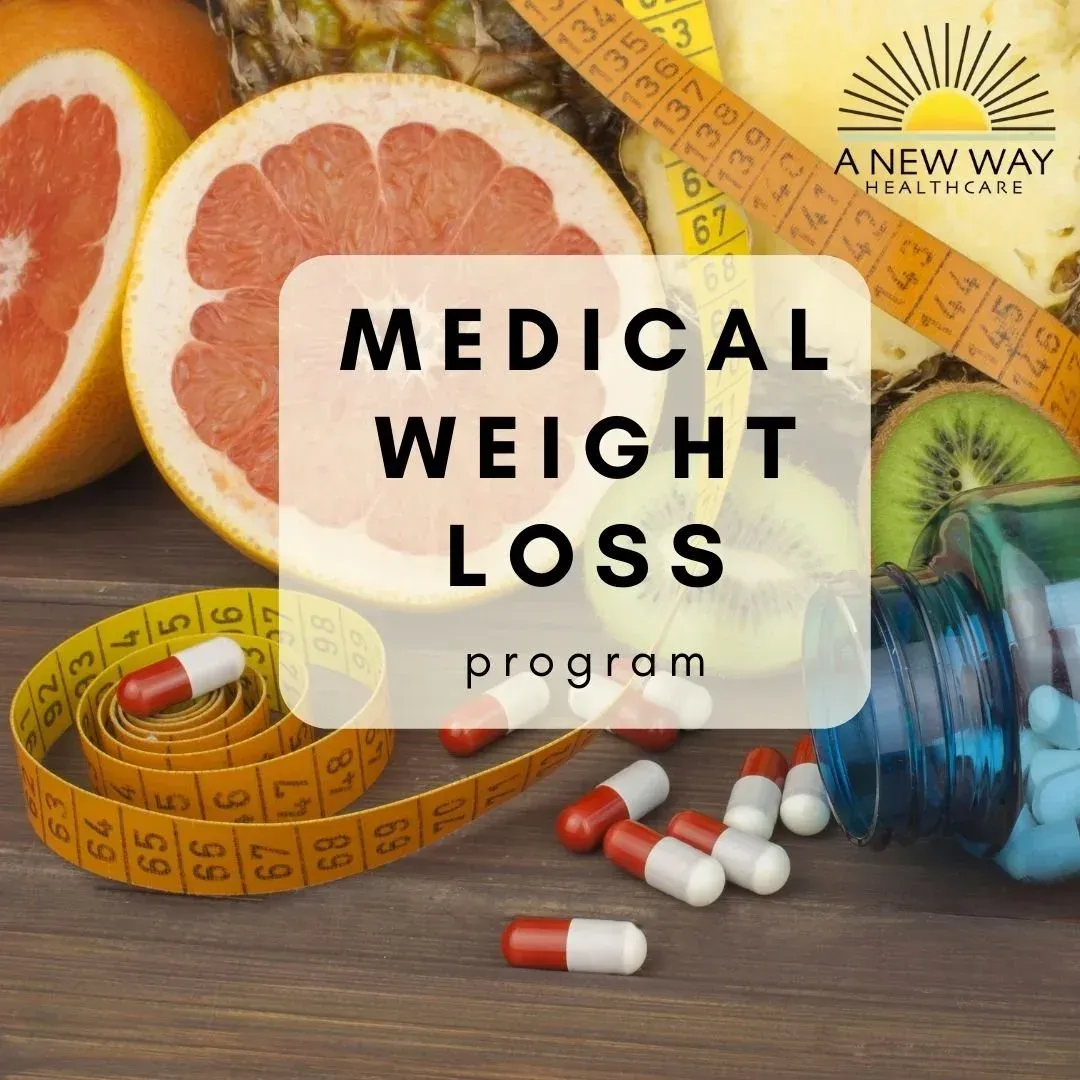
A WEIGHT LOSS PROGRAM GUIDED BY A MEDICAL PROFESSIONAL With 1 in 3 US adults overweight or obese, the consequences to our health as a society are staggering. Obesity increases risk of heart disease, stroke, diabetes, osteoarthritis, cancer and depression. Until very recently not much had changed regarding the typical medical advice to patients, “eat less and move more”. This dated advice keeps the blame on the person struggling and is often futile as dieting predicts a yo-yo pattern of loss and gain (many times the gain is more than before the diet began) and a continued self-blame and weight regain pattern continues. Fortunately, our medical knowledge of the complex causes of obesity is changing. The shift to understanding that obesity is a chronic, progressive and often relapsing condition is happening worldwide. Obesity is now accepted as a disease of energy dysregulation compounded by environmental factors leading to the accumulation of excess body fat. With this understanding comes medical advances and scientifically backed approaches to actually help patients manage their weight . A team approach focusing on 4 mainstays of obesity management is available at A New Way Healthcare! These 4 pillars are nutrition, physical activity, behavior modification and medication management. Truly, all of these areas need to be addressed to successfully manage a chronic condition like obesity. First and foremost is nutritional guidance. Having help to combat years of diet mentality while focusing on appropriate energy intake is available through our certified, holistic nutritionional practitioner, Katie Hammill. What should we be eating? Is your diet excessively high in nutrient poor foods or alcohol? There is so much conflicting advice out there! The truth is that extremes don’t work and many diets are just not sustainable. Working with our Certified Nutritional Practitioner to find a pattern of eating that works for YOUR life is available at A New Way Healthcare. Second is behavioral modification . Often eating patterns have emotional connections that need to be addressed to have success in a long-term weight management program. Do you eat for emotional comfort? Do you fear certain foods? This may be the most complex piece of the puzzle and sometimes therapy is needed to address the emotional pain and stigma connected to weight struggles and body image issues. Learning mindfulness techniques as well as behavioral changes can begin to change your relationship to food for the better. We can help guide you as you begin to address your complex relationship to food. The third factor in a well-rounded weight management program is physical activity . A plan of regular physical activity including walking, strength training and anything that combats our sedentary lifestyle is very important. For this piece of the puzzle consistency over time is key! Making small, attainable activity changes and staying consistent over time leads to success. Ideally finding an activity that you enjoy, whether it is a solo walk listening to a podcast or a group activity like pickle ball helps tremendously with making this a committed habit. Unlinking exercise from weight loss may be helpful. Understanding that we must combat age related muscle loss with active strength training is vital. The benefits of exercise for our metabolism, longevity and mental health occur REGARDLESS of weight loss! Finally, for some people medication has significant benefits to help with weight loss. This is an exciting, cutting-edge area in medicine. Lifestyle management is simply not enough for many patients who have coexisting medical problems related to obesity . Taking medication is not “the easy way out” and any stigma associated with this is unfounded in medical science. We now have several safe weight loss medications that address the underlying metabolic and hormonal dysregulation that is part of the obesity struggle. These medications on some level all address appetite regulation allowing for compliance with dietary modifications. Stopping the medication once weight loss is achieved is NOT the goal in the evidence-based model of obesity management. For many patients (especially those who have lost weight only to regain it multiple times!) treating obesity like a chronic condition involves continuing on anti-obesity medication. Candidates for these medications include patients with a body mass index >30 or a BMI >27 with a comorbidity related to the excess weight (for example, sleep apnea, diabetes, heart disease). There are several medications to choose from factoring in price, side effects and patient preference. We are now offering our premium plan members the option to join our Medical Weight Management program. What is included? Monthly visits with your provider addressing medical causes of weight gain and obesity, behavioral modification techniques, medication initiation and close monitoring while on medications You will receive professional, individualized care and a plan that is tailored to your unique needs Individual nutritional coaching by our Certified Nutritional Practitioner How much does it cost: You must be premium member (see more details about our Health Care Plans here) The program requires an additional monthly fee of $225 Cost of medication (varies from $99-$270/month) INTERESTED? NEED MORE INFORMATION? CALL OUR OFFICE NOW TO FIND OUT MORE!
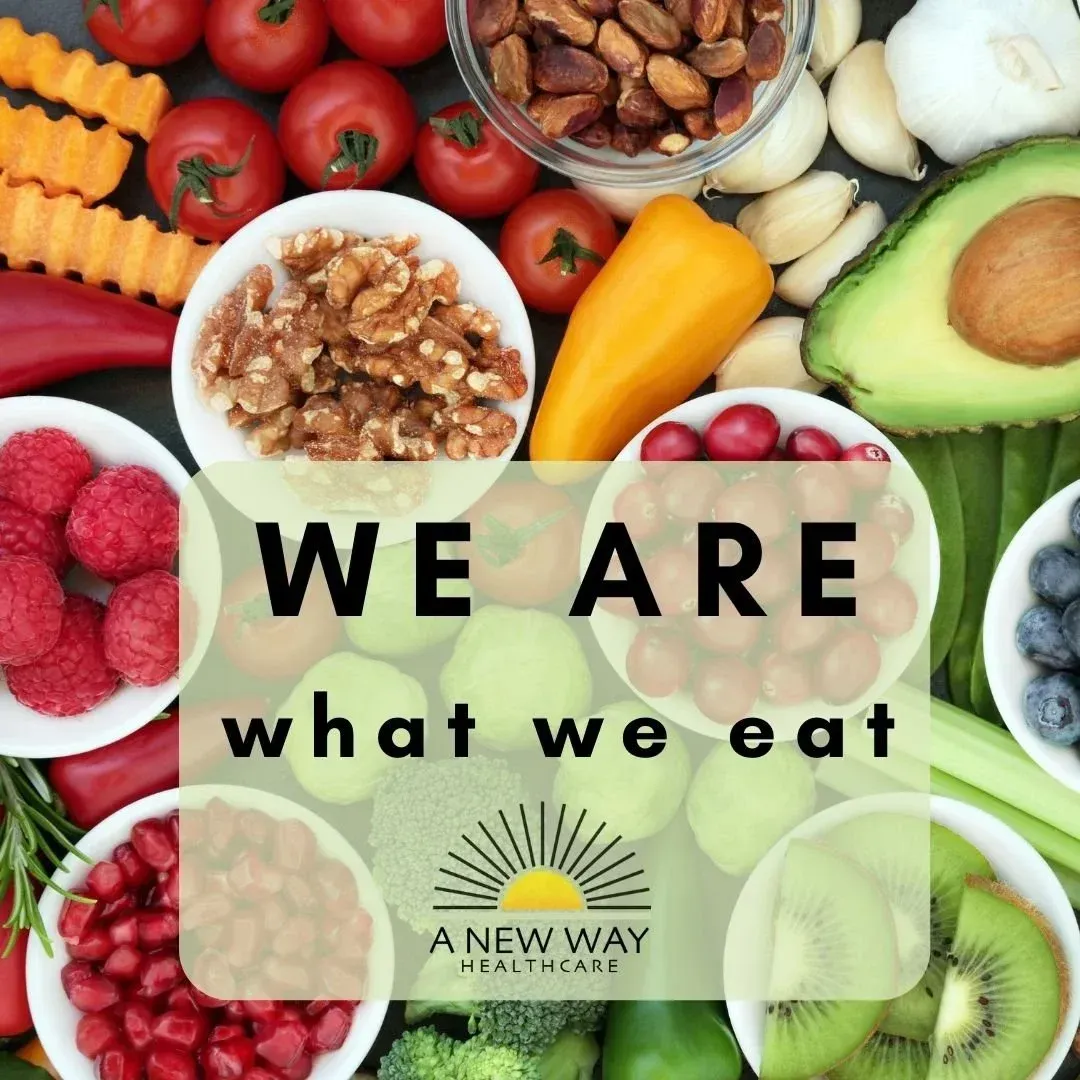
Food is fuel for our bodies. But it doesn’t just give us energy, it can also impact our moods. Knowing this, how can we make better food choices?
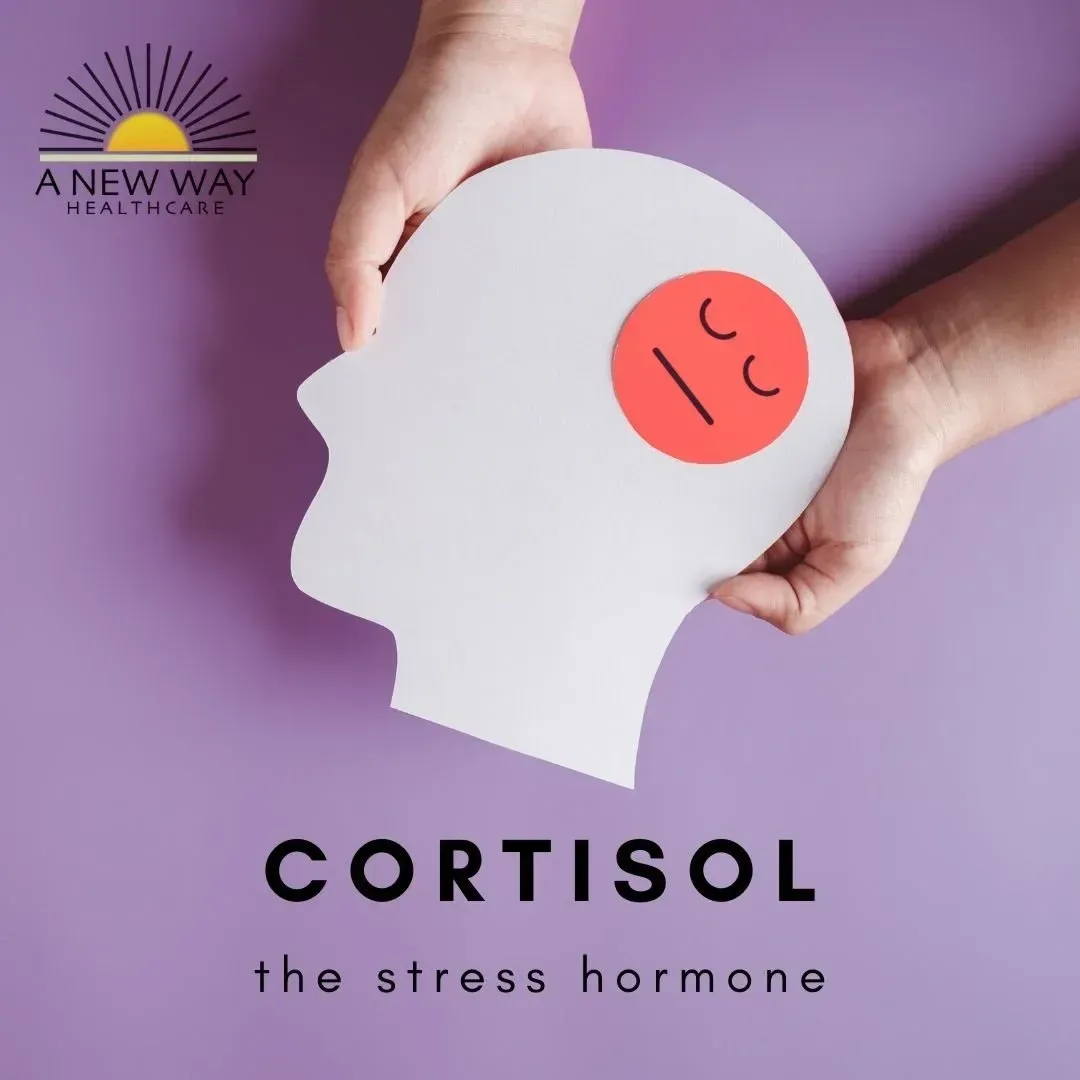
Cortisol is a steroid hormone that your adrenal glands, the endocrine glands on top of your kidneys, produce and release. Cortisol affects several aspects of your body and mainly helps regulate your body's response to stress.
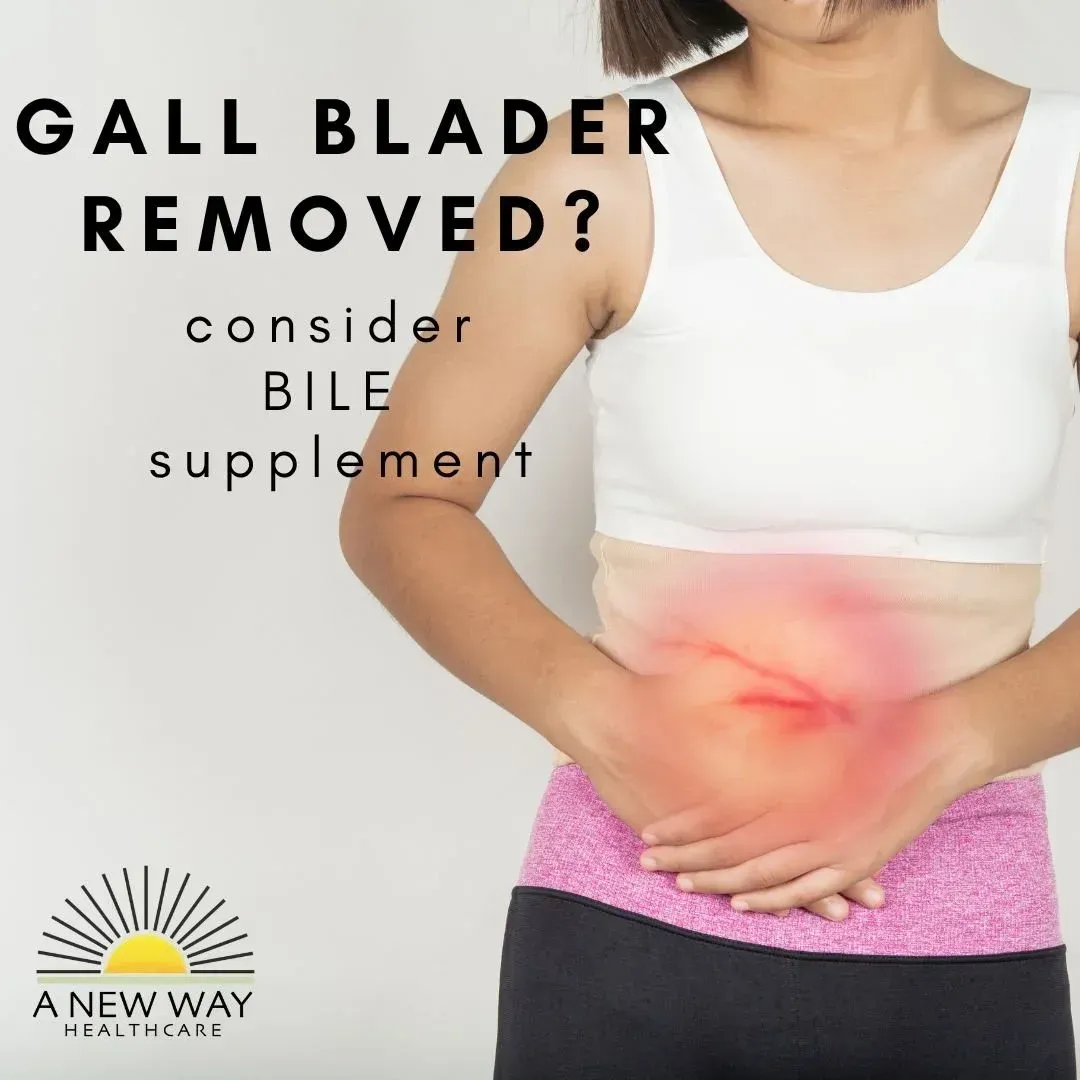
Gallbladder problems are extremely common. Approximately 750,000 Americans have their gallbladder removed each year. In most cases, the pain of a malfunctioning gallbladder becomes so bad, that surgery is the only viable option.
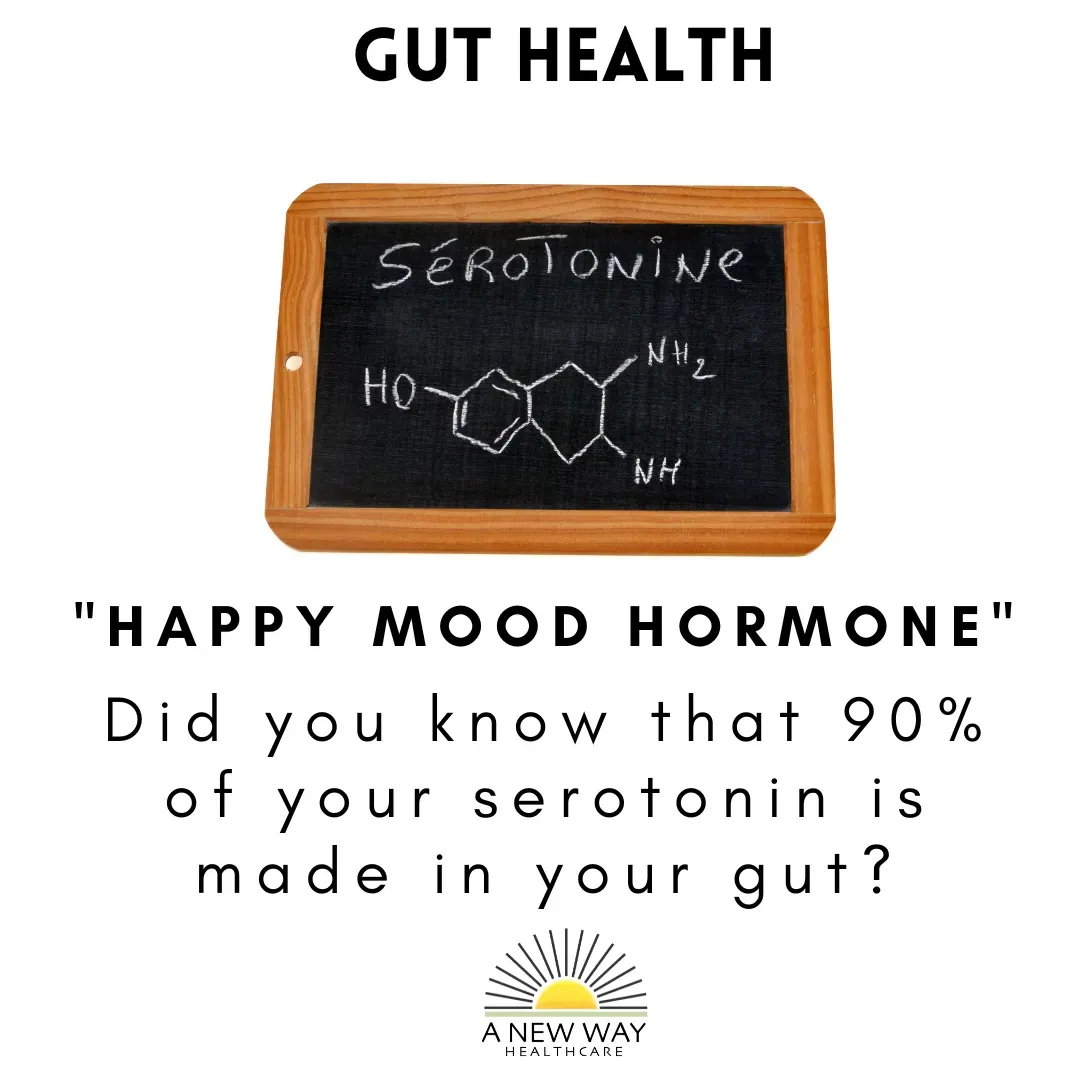
Serotonin is one of four “happy hormones” your body produces, along with dopamine, oxytocin, and endorphins. Each of these hormones perform different functions and provide “happy” feelings. Serotonin, also known as 5-hydroxytryptamine (5-HT), is a monoamine neurotransmitter. It also acts as a hormone. As a neurotransmitter, serotonin carries messages between nerve cells in your brain (your central nervous system) and throughout your body (your peripheral nervous system). Serotonin can stave off depression and provide a feeling a euphoria. When you feel happy and all seems right with the world, you're feeling the effects of serotonin. This hormone is responsible for boosting mood, as well as a host of other functions. Surprisingly, close to 90% of this neurotransmitter is made and stored in your gut - not your brain! No wonder the medical literature often refers to your gut as your “second brain”. Your body communicates in ways you aren’t even aware of. In fact, your brain and your gut talk to each other all the time through hormones and neurotransmitters. This is known as the gut-brain axis. This communication system between your brain and your gut is a biochemical and physical network. That “gut feeling” you get or the butterflies in your stomach… that’s real! It’s actually your brain and gut talking to each other. Conventional medicine views the body in distinct systems and psychological stressors as independent from the rest of the body. In reality, our brains are inextricably tied to our gastrointestinal tract. This is because over 90% of our serotonin, the key neurotransmitter responsible for regulating mood, is made in your gut. A deficiency in serotonin causes depression and, in some, anxiety. In fact, the majority of antidepressants work by blocking the brain’s serotonin receptors. This frees up more serotonin to remain present in the brain. Your gut is home to the bacteria that helps it produce serotonin. Studies have found that several species of gut bacteria are missing in people with depression, and that imbalances in gut flora can lead to mood imbalances. Boosting serotonin levels with foods can be accomplished by eating foods high in tryptophan relative to other amino acids (turkey, canned tuna, apples, bananas, and oats), eating direct food sources of serotonin (kiwi, pineapple, potato, and tomato), and by upping your intake of foods with vitamin B6 (poultry, tuna, chickpeas, and lentils) and vitamin D (mushrooms, salmon, cheese, and sardines). Adding foods that boost serotonin levels to your meal plan may be helpful to a certain extent, but your dietary pattern on the whole is probably more important. Regularly eating foods that negatively impact your gut and/or promote inflammation will make boosting your serotonin levels with specific foods difficult. In addition, consider adding in probiotics. The limited research on probiotics and serotonin hints at a beneficial relationship. Probiotics are safe, have no side effects for most, and have a variety of health benefits, so they’re worth trying.
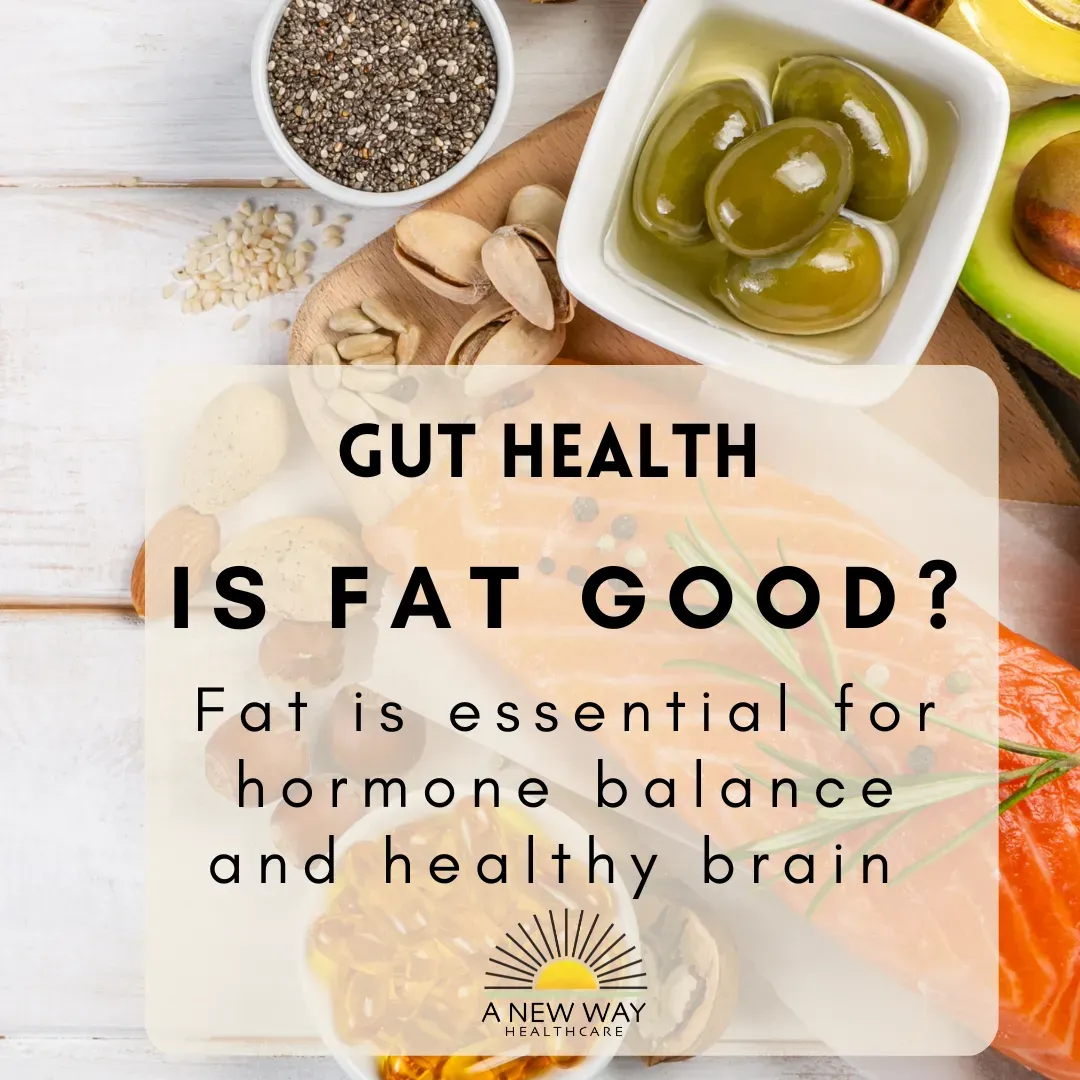
Fat is a source of essential fatty acids, which the body cannot make itself. Fat helps the body absorb vitamin A, vitamin D and vitamin E. These vitamins are fat-soluble, which means they can only be absorbed with the help of fats.

WHAT IS DRY BRUSHING? It is simply a body massage with a dry, stiff-bristled brush that helps get rid of flaky skin, increase circulation, detoxify, help digestion and even improve the appearance of cellulite. You take a body brush (look for one with firm, natural bristles) and use it to gently massage your body in an upward motion. WHY SHOULD I START DRY BRUSHING? The mechanical action of dry brushing is excellent for exfoliating rough, dry skin. Dry brushing unclogs pores in the exfoliation process. It also helps detoxify your skin by increasing blood circulation and encouraging lymphatic drainage. All blood carries lymph fluid, which filters through the lymph nodes. Dry brushing speeds up the rate of blood pumping, which helps get the lymph through the body, therefore removing toxins and pathogens more quickly. Also, by unclogging pores, it’s easier for the body to sweat and eliminate toxins in your system. Dry brushing can make you feel good since it has the additional benefit of stimulating your nervous system. It can also leave you feeling invigorated like a massage often does. Removing dead skin cells can help make your skin smoother and softer. It can also give your skin a brighter appearance. Dry brushing is also gentler on your skin than scrubbing in the shower. Hot water inflames your skin and even strips away oils, fats, and proteins that keep your skin healthy. This can cause redness and itching. Brushing your skin while it is dry allows you to exfoliate and increase blood circulation without robbing it of moisture the way the hot water in your shower can. HOW TO USE THE DRY BRUSH? Start at your feet and move up your body: Brush your skin using wide, circular, clockwise motions. Use light pressure in areas where your skin is thin and harder pressure on thicker skin, like the soles of your feet. Brush your arms after you have brushed your feet, legs, and mid-section. You should brush upward towards your armpits. After dry brushing, take a cool shower to help remove the dry skin. After your shower, dry off and then consider adding natural plant oil, such as olive or coconut oil, to moisturize your skin (or you can read more about other natural skin lotions) Please remember to never dry brush over moles, warts, or raised bumps and on skin that’s broken. This includes cuts, scrapes, lesions, sores or burned skin, including sunburns. Always ask your dermatologist if you have questions. We recommend dry brushing about one to two times per week. And don't forget to wash your brush with baby shampoo at least twice a month to get rid of all of that dead skin buildup.
Menopause is the time that marks the end of your menstrual cycles. It's diagnosed after you've gone 12 months without a menstrual period. Menopause can happen in your 40s or 50s, but the average age is 51 in the United States. Menopause is not a disease or disorder. This time in a woman's life is often full of other transitions in addition to physical ones: we might finally have time for ourselves, with children being older, some may be caring for aging parents or relatives, supporting their children as they move into adulthood, or taking on new responsibilities at work. Some of us might not even have many menopausal symptoms or even feel relieved no longer experiencing painful periods or worrying about getting pregnant. For most of us though, the menopausal transition can bring a variety of frustrating symptoms, from hot flashes, depression, moodiness and irritability, trouble sleeping, pain during sex and more! Menopause is a point in time 12 months after a woman's last period. The years leading up to that point, when women may have changes in their monthly cycles, hot flashes, or other symptoms, are called the menopausal transition or perimenopause. Come see us to talk about lifestyle changes or medications to treat their symptoms. We will ask questions about your age, symptoms, and family history to determine if it really is the menopausal transition causing your problems. In some cases, we may suggest a blood test to check your follicle-stimulating hormone (FSH) and estradiol (E2) levels to rule out any other causes for the changes you're experiencing.
Explore small business health plans in Jacksonville Beach that help employers offer accessible care, predictable costs & better support for employee wellness.
Our amazing nutritional counselor- Katie Hammill- is leading us once again through this 21-day, clean-eating program designed to help you create new healthy habits and understand how your body and energy respond to a change in your diet.
A WEIGHT LOSS PROGRAM GUIDED BY A MEDICAL PROFESSIONAL With 1 in 3 US adults overweight or obese, the consequences to our health as a society are staggering. Obesity increases risk of heart disease, stroke, diabetes, osteoarthritis, cancer and depression. Until very recently not much had changed regarding the typical medical advice to patients, “eat less and move more”. This dated advice keeps the blame on the person struggling and is often futile as dieting predicts a yo-yo pattern of loss and gain (many times the gain is more than before the diet began) and a continued self-blame and weight regain pattern continues. Fortunately, our medical knowledge of the complex causes of obesity is changing. The shift to understanding that obesity is a chronic, progressive and often relapsing condition is happening worldwide. Obesity is now accepted as a disease of energy dysregulation compounded by environmental factors leading to the accumulation of excess body fat. With this understanding comes medical advances and scientifically backed approaches to actually help patients manage their weight . A team approach focusing on 4 mainstays of obesity management is available at A New Way Healthcare! These 4 pillars are nutrition, physical activity, behavior modification and medication management. Truly, all of these areas need to be addressed to successfully manage a chronic condition like obesity. First and foremost is nutritional guidance. Having help to combat years of diet mentality while focusing on appropriate energy intake is available through our certified, holistic nutritionional practitioner, Katie Hammill. What should we be eating? Is your diet excessively high in nutrient poor foods or alcohol? There is so much conflicting advice out there! The truth is that extremes don’t work and many diets are just not sustainable. Working with our Certified Nutritional Practitioner to find a pattern of eating that works for YOUR life is available at A New Way Healthcare. Second is behavioral modification . Often eating patterns have emotional connections that need to be addressed to have success in a long-term weight management program. Do you eat for emotional comfort? Do you fear certain foods? This may be the most complex piece of the puzzle and sometimes therapy is needed to address the emotional pain and stigma connected to weight struggles and body image issues. Learning mindfulness techniques as well as behavioral changes can begin to change your relationship to food for the better. We can help guide you as you begin to address your complex relationship to food. The third factor in a well-rounded weight management program is physical activity . A plan of regular physical activity including walking, strength training and anything that combats our sedentary lifestyle is very important. For this piece of the puzzle consistency over time is key! Making small, attainable activity changes and staying consistent over time leads to success. Ideally finding an activity that you enjoy, whether it is a solo walk listening to a podcast or a group activity like pickle ball helps tremendously with making this a committed habit. Unlinking exercise from weight loss may be helpful. Understanding that we must combat age related muscle loss with active strength training is vital. The benefits of exercise for our metabolism, longevity and mental health occur REGARDLESS of weight loss! Finally, for some people medication has significant benefits to help with weight loss. This is an exciting, cutting-edge area in medicine. Lifestyle management is simply not enough for many patients who have coexisting medical problems related to obesity . Taking medication is not “the easy way out” and any stigma associated with this is unfounded in medical science. We now have several safe weight loss medications that address the underlying metabolic and hormonal dysregulation that is part of the obesity struggle. These medications on some level all address appetite regulation allowing for compliance with dietary modifications. Stopping the medication once weight loss is achieved is NOT the goal in the evidence-based model of obesity management. For many patients (especially those who have lost weight only to regain it multiple times!) treating obesity like a chronic condition involves continuing on anti-obesity medication. Candidates for these medications include patients with a body mass index >30 or a BMI >27 with a comorbidity related to the excess weight (for example, sleep apnea, diabetes, heart disease). There are several medications to choose from factoring in price, side effects and patient preference. We are now offering our premium plan members the option to join our Medical Weight Management program. What is included? Monthly visits with your provider addressing medical causes of weight gain and obesity, behavioral modification techniques, medication initiation and close monitoring while on medications You will receive professional, individualized care and a plan that is tailored to your unique needs Individual nutritional coaching by our Certified Nutritional Practitioner How much does it cost: You must be premium member (see more details about our Health Care Plans here) The program requires an additional monthly fee of $225 Cost of medication (varies from $99-$270/month) INTERESTED? NEED MORE INFORMATION? CALL OUR OFFICE NOW TO FIND OUT MORE!
Food is fuel for our bodies. But it doesn’t just give us energy, it can also impact our moods. Knowing this, how can we make better food choices?
Cortisol is a steroid hormone that your adrenal glands, the endocrine glands on top of your kidneys, produce and release. Cortisol affects several aspects of your body and mainly helps regulate your body's response to stress.
Gallbladder problems are extremely common. Approximately 750,000 Americans have their gallbladder removed each year. In most cases, the pain of a malfunctioning gallbladder becomes so bad, that surgery is the only viable option.
Serotonin is one of four “happy hormones” your body produces, along with dopamine, oxytocin, and endorphins. Each of these hormones perform different functions and provide “happy” feelings. Serotonin, also known as 5-hydroxytryptamine (5-HT), is a monoamine neurotransmitter. It also acts as a hormone. As a neurotransmitter, serotonin carries messages between nerve cells in your brain (your central nervous system) and throughout your body (your peripheral nervous system). Serotonin can stave off depression and provide a feeling a euphoria. When you feel happy and all seems right with the world, you're feeling the effects of serotonin. This hormone is responsible for boosting mood, as well as a host of other functions. Surprisingly, close to 90% of this neurotransmitter is made and stored in your gut - not your brain! No wonder the medical literature often refers to your gut as your “second brain”. Your body communicates in ways you aren’t even aware of. In fact, your brain and your gut talk to each other all the time through hormones and neurotransmitters. This is known as the gut-brain axis. This communication system between your brain and your gut is a biochemical and physical network. That “gut feeling” you get or the butterflies in your stomach… that’s real! It’s actually your brain and gut talking to each other. Conventional medicine views the body in distinct systems and psychological stressors as independent from the rest of the body. In reality, our brains are inextricably tied to our gastrointestinal tract. This is because over 90% of our serotonin, the key neurotransmitter responsible for regulating mood, is made in your gut. A deficiency in serotonin causes depression and, in some, anxiety. In fact, the majority of antidepressants work by blocking the brain’s serotonin receptors. This frees up more serotonin to remain present in the brain. Your gut is home to the bacteria that helps it produce serotonin. Studies have found that several species of gut bacteria are missing in people with depression, and that imbalances in gut flora can lead to mood imbalances. Boosting serotonin levels with foods can be accomplished by eating foods high in tryptophan relative to other amino acids (turkey, canned tuna, apples, bananas, and oats), eating direct food sources of serotonin (kiwi, pineapple, potato, and tomato), and by upping your intake of foods with vitamin B6 (poultry, tuna, chickpeas, and lentils) and vitamin D (mushrooms, salmon, cheese, and sardines). Adding foods that boost serotonin levels to your meal plan may be helpful to a certain extent, but your dietary pattern on the whole is probably more important. Regularly eating foods that negatively impact your gut and/or promote inflammation will make boosting your serotonin levels with specific foods difficult. In addition, consider adding in probiotics. The limited research on probiotics and serotonin hints at a beneficial relationship. Probiotics are safe, have no side effects for most, and have a variety of health benefits, so they’re worth trying.
Fat is a source of essential fatty acids, which the body cannot make itself. Fat helps the body absorb vitamin A, vitamin D and vitamin E. These vitamins are fat-soluble, which means they can only be absorbed with the help of fats.
WHAT IS DRY BRUSHING? It is simply a body massage with a dry, stiff-bristled brush that helps get rid of flaky skin, increase circulation, detoxify, help digestion and even improve the appearance of cellulite. You take a body brush (look for one with firm, natural bristles) and use it to gently massage your body in an upward motion. WHY SHOULD I START DRY BRUSHING? The mechanical action of dry brushing is excellent for exfoliating rough, dry skin. Dry brushing unclogs pores in the exfoliation process. It also helps detoxify your skin by increasing blood circulation and encouraging lymphatic drainage. All blood carries lymph fluid, which filters through the lymph nodes. Dry brushing speeds up the rate of blood pumping, which helps get the lymph through the body, therefore removing toxins and pathogens more quickly. Also, by unclogging pores, it’s easier for the body to sweat and eliminate toxins in your system. Dry brushing can make you feel good since it has the additional benefit of stimulating your nervous system. It can also leave you feeling invigorated like a massage often does. Removing dead skin cells can help make your skin smoother and softer. It can also give your skin a brighter appearance. Dry brushing is also gentler on your skin than scrubbing in the shower. Hot water inflames your skin and even strips away oils, fats, and proteins that keep your skin healthy. This can cause redness and itching. Brushing your skin while it is dry allows you to exfoliate and increase blood circulation without robbing it of moisture the way the hot water in your shower can. HOW TO USE THE DRY BRUSH? Start at your feet and move up your body: Brush your skin using wide, circular, clockwise motions. Use light pressure in areas where your skin is thin and harder pressure on thicker skin, like the soles of your feet. Brush your arms after you have brushed your feet, legs, and mid-section. You should brush upward towards your armpits. After dry brushing, take a cool shower to help remove the dry skin. After your shower, dry off and then consider adding natural plant oil, such as olive or coconut oil, to moisturize your skin (or you can read more about other natural skin lotions) Please remember to never dry brush over moles, warts, or raised bumps and on skin that’s broken. This includes cuts, scrapes, lesions, sores or burned skin, including sunburns. Always ask your dermatologist if you have questions. We recommend dry brushing about one to two times per week. And don't forget to wash your brush with baby shampoo at least twice a month to get rid of all of that dead skin buildup.
Menopause is the time that marks the end of your menstrual cycles. It's diagnosed after you've gone 12 months without a menstrual period. Menopause can happen in your 40s or 50s, but the average age is 51 in the United States. Menopause is not a disease or disorder. This time in a woman's life is often full of other transitions in addition to physical ones: we might finally have time for ourselves, with children being older, some may be caring for aging parents or relatives, supporting their children as they move into adulthood, or taking on new responsibilities at work. Some of us might not even have many menopausal symptoms or even feel relieved no longer experiencing painful periods or worrying about getting pregnant. For most of us though, the menopausal transition can bring a variety of frustrating symptoms, from hot flashes, depression, moodiness and irritability, trouble sleeping, pain during sex and more! Menopause is a point in time 12 months after a woman's last period. The years leading up to that point, when women may have changes in their monthly cycles, hot flashes, or other symptoms, are called the menopausal transition or perimenopause. Come see us to talk about lifestyle changes or medications to treat their symptoms. We will ask questions about your age, symptoms, and family history to determine if it really is the menopausal transition causing your problems. In some cases, we may suggest a blood test to check your follicle-stimulating hormone (FSH) and estradiol (E2) levels to rule out any other causes for the changes you're experiencing.